Skin Cancer and Immunosuppression: What Transplant Patients Need to Know

Key Facts: Skin Cancer in Immunosuppressed Patients
- 65-250x higher risk of squamous cell carcinoma in organ transplant recipients compared to the general population
- 10-45% of transplant recipients develop skin cancer within 10 years post-transplant
- Up to 80% of transplant patients develop skin cancer after 20 years in high-UV regions
- SCC outnumbers BCC in transplant recipients, the reverse of the general population pattern
- Every 3-6 months is the recommended skin cancer screening interval for transplant patients
The Immune System and Skin Cancer Surveillance
Immunosuppressed patients face a significantly elevated risk of developing skin cancer because the immune system plays a direct role in identifying and destroying abnormal cells before they become tumors. When this surveillance function is reduced by medications or disease, precancerous and cancerous skin cells can grow unchecked.
The relationship between immune function and skin cancer has been well documented since the early days of organ transplantation. Studies indicate that the longer a patient remains on immunosuppressive therapy, the higher the cumulative risk of skin malignancy. This is not a minor statistical increase - for certain types of skin cancer, the risk rises by orders of magnitude.
Understanding this connection is the first step toward proactive prevention and early detection, both of which can dramatically improve outcomes for immunosuppressed individuals.
“Transplant patients represent one of the highest-risk populations I treat in my Mohs surgery practice. The combination of ongoing immunosuppression and Israel's intense UV exposure creates a situation where regular screening and early intervention are not optional - they are essential to preventing serious outcomes.”
How High Is the Risk? The Numbers Behind Transplant-Related Skin Cancer
Organ transplant recipients face the most striking increase in skin cancer incidence among all immunosuppressed populations. Data from multiple large-scale studies paint a consistent picture.
Squamous cell carcinoma (SCC) risk increases 65 to 250 times in organ transplant recipients compared to the general population. This wide range reflects differences in geographic UV exposure, skin type, and the specific immunosuppressive regimen used.
Basal cell carcinoma (BCC) risk increases approximately 10 times. While this is a notable increase, it is far less dramatic than the SCC increase.
One of the most clinically significant findings is the reversal of the SCC-to-BCC ratio. In the general population, BCC is roughly four times more common than SCC. In transplant recipients, SCC becomes the dominant skin cancer, often outnumbering BCC by a ratio of 2:1 or more. This reversal matters because SCC carries a higher risk of metastasis and aggressive local behavior than BCC.
The timeline of risk accumulation is also important. Within 10 years of transplant, studies suggest that 10-45% of recipients will develop at least one skin cancer, depending on geography and skin type. After 20 years, data from high-UV countries such as Australia indicate that up to 80% of transplant patients will have been diagnosed with skin cancer.
In addition to higher incidence, transplant recipients tend to develop skin cancers that behave more aggressively. SCC in immunosuppressed patients is more likely to recur after treatment, more likely to invade deeply, and carries a higher rate of metastasis - estimated at 5-8% compared to 2-5% in immunocompetent patients.
Who Is at Risk Beyond Transplant Recipients
While organ transplant recipients receive the most attention in this area, they are not the only immunosuppressed population at elevated skin cancer risk. Several other groups face increased vulnerability.
Autoimmune Disease Patients on Long-Term Immunosuppressants
Patients taking medications such as azathioprine, mycophenolate mofetil, cyclosporine, or methotrexate for conditions like rheumatoid arthritis, lupus, or inflammatory bowel disease (IBD) are at increased risk. The degree of risk depends on the specific medication, dosage, and duration of use. Azathioprine, in particular, has been associated with increased photosensitivity and a documented rise in SCC risk.
HIV/AIDS Patients
Individuals with HIV, especially those with low CD4 counts or poorly controlled disease, show elevated rates of both melanoma and non-melanoma skin cancers. Even with effective antiretroviral therapy restoring immune function, some residual increased risk appears to persist.
Cancer Patients Receiving Chemotherapy
Chemotherapy agents suppress the immune system broadly, and patients undergoing treatment are at temporarily increased risk. The risk generally decreases after treatment ends and immune function recovers, but cumulative UV damage sustained during the immunosuppressed period remains.
Chronic Lymphocytic Leukemia (CLL) Patients
CLL patients face a particularly high skin cancer risk due to the combination of disease-related immune dysfunction and the immunosuppressive therapies used to manage it. Studies suggest CLL patients are 8-10 times more likely to develop non-melanoma skin cancers than the general population, and their skin cancers tend to behave more aggressively.
Patients on Biologic Therapies
Newer biologic medications (TNF-alpha inhibitors, IL-17 inhibitors, JAK inhibitors) used for psoriasis, eczema, and other conditions carry theoretical immunosuppressive risk. Current data suggest the skin cancer risk from biologics is lower than from traditional immunosuppressants, but long-term surveillance data are still being collected.
Recommended Screening: How Often Should Immunosuppressed Patients Be Checked
Transplant recipients and other high-risk immunosuppressed patients should undergo full-body skin examinations every 3 to 6 months. This is a significantly more frequent schedule than the annual screening recommended for the general population.
The reasoning is straightforward: skin cancers in immunosuppressed patients grow faster, appear more frequently, and behave more aggressively. Detecting them at the smallest possible size gives the best chance of simple, effective treatment.
A typical screening visit includes:
- Full-body visual examination using bright light and magnification
- Dermoscopy of any suspicious lesions, allowing the dermatologist to see subsurface structures not visible to the naked eye
- Biopsy of any lesion with concerning features
- Palpation of regional lymph nodes for patients with a history of SCC, to check for metastatic spread
- Patient education on new warning signs to watch for between visits
For a detailed breakdown of skin cancer follow-up scheduling, see our guide on skin cancer follow-up schedules.
Treatment Considerations for Immunosuppressed Patients
Treating skin cancer in immunosuppressed patients requires careful coordination between the dermatologic surgeon and the patient's transplant team or prescribing physician.
Why Mohs Surgery Is Often the Preferred Approach
Mohs micrographic surgery offers several advantages that are especially relevant for immunosuppressed patients:
- Complete margin verification: Every edge of the removed tissue is examined microscopically during surgery, ensuring no cancer is left behind. This is particularly important given the higher recurrence rates in immunosuppressed patients.
- Maximum tissue conservation: Mohs removes only the cancerous tissue and a minimal margin of healthy skin. This matters because transplant patients often develop multiple skin cancers over their lifetime and may need many surgeries on the same anatomic areas.
- Single-visit treatment: Most Mohs procedures are completed in one office visit under local anesthesia, which is advantageous for patients who may already have complex medical regimens.
- Highest cure rates: Mohs surgery achieves cure rates of 97-99% for primary skin cancers, the highest of any treatment method.
For more information about squamous cell carcinoma and treatment approaches, refer to our condition page.
Immunosuppression Modification
In some cases, the transplant team may consider adjusting the immunosuppressive regimen in response to recurrent or aggressive skin cancers. Options include:
- Switching to an mTOR inhibitor (sirolimus or everolimus), which has shown antiproliferative properties and is associated with lower skin cancer incidence in transplant recipients
- Reducing the overall level of immunosuppression, when the transplant's stability allows it
- Discontinuing specific agents that are associated with higher skin cancer risk, such as azathioprine
These decisions involve a careful balance between protecting the transplant organ and reducing cancer risk. They should always be made collaboratively between the dermatologist and the transplant physician.
More Aggressive Follow-Up After Treatment
After a skin cancer is treated in an immunosuppressed patient, follow-up visits are scheduled more frequently than for immunocompetent patients. A common protocol includes:
- Monthly self-examinations
- Clinical examinations every 3 months for the first 1-2 years after treatment
- Gradual spacing to every 4-6 months if no new cancers develop
- Lifelong surveillance at intervals no longer than 6 months
Prevention Strategies for Immunosuppressed Patients
Prevention takes on heightened importance when immune surveillance is compromised. The standard sun protection recommendations apply, but with greater urgency and stricter adherence.
Sun Protection
- Daily broad-spectrum sunscreen (SPF 50+) on all exposed skin, reapplied every 2 hours during outdoor activity
- Protective clothing: long sleeves, wide-brimmed hats, UV-blocking sunglasses
- Avoid peak UV hours (10 AM to 4 PM) whenever possible, which is especially relevant in Israel where UV index regularly exceeds 8-10 during summer
- No tanning beds - this should be an absolute rule for all immunosuppressed patients
Chemoprevention
For transplant recipients with a history of multiple SCCs, some physicians recommend systemic retinoids (acitretin) as a chemopreventive measure. Studies suggest that low-dose acitretin can reduce the rate of new SCC development by 30-50% in high-risk transplant patients. However, the benefit often reverses when the medication is stopped, and side effects (dry skin, elevated lipids) require monitoring.
Nicotinamide (vitamin B3) at 500mg twice daily has also shown promise in reducing new non-melanoma skin cancers in high-risk populations, with a favorable safety profile. Data indicate approximately a 23% reduction in new skin cancer incidence in at-risk patients.
Treatment of Precancerous Lesions
Aggressive treatment of actinic keratoses (precancerous sun damage spots) is recommended for immunosuppressed patients. Options include:
- Cryotherapy (freezing) of individual lesions
- Field therapy with topical 5-fluorouracil or imiquimod for areas with widespread actinic damage
- Photodynamic therapy (PDT) for larger affected areas
Treating precancers before they progress to SCC is one of the most effective preventive strategies available.
Navigating Skin Cancer Care in Israel as an Immunosuppressed Patient
Israel's kupat cholim (health fund) system provides a framework for skin cancer care, but immunosuppressed patients often need to advocate for more frequent screening than the system routinely provides.
Getting Referrals for Frequent Screening
Transplant recipients should request a standing referral (hafnaya) from their primary care physician or transplant team for dermatology visits every 3-6 months. Most kupot cholim will approve frequent dermatology visits when the referring physician documents the patient's transplant status and elevated skin cancer risk.
If your kupat cholim limits dermatology referrals, a letter from your transplant center documenting the medical necessity of frequent skin screening can help obtain approval for the recommended schedule.
Coordinating Between Specialists
Effective care requires communication between the transplant physician, dermatologist, and dermatologic surgeon. When a skin cancer is diagnosed, the treatment plan should be shared with the transplant team so they can evaluate whether immunosuppression adjustments are warranted.
In Israel, major transplant centers at Beilinson, Sheba, and Hadassah typically have established referral pathways to dermatology departments experienced in managing transplant-related skin cancers.
Private Dermatologic Surgery
For patients who need Mohs surgery or specialized skin cancer treatment, private practice offers shorter waiting times and direct access to fellowship-trained Mohs surgeons. This can be especially important for aggressive tumors where treatment delays carry risk.
Frequently Asked Questions
How soon after a transplant should I start skin cancer screening?
Screening should begin within the first year after transplant, ideally within the first 3-6 months. Studies indicate that skin cancer risk begins to rise shortly after immunosuppressive therapy starts, and early baseline examinations help identify pre-existing sun damage that may progress under immunosuppression.
Does the type of organ transplanted affect skin cancer risk?
Heart and lung transplant recipients tend to have the highest skin cancer rates, likely because they require more intense immunosuppression than kidney transplant recipients. However, all solid organ transplant patients face significantly elevated risk regardless of the organ type.
Can I reduce my skin cancer risk by lowering my immunosuppression on my own?
No. Adjusting immunosuppressive medications without medical supervision is dangerous and can lead to organ rejection. Any changes to your immunosuppressive regimen must be discussed with and managed by your transplant team. If you are concerned about skin cancer risk, raise this with both your transplant physician and your dermatologist so they can evaluate your options together.
Are immunosuppressed patients at higher risk for melanoma as well?
Yes. Transplant recipients face approximately 2-8 times higher risk of melanoma compared to the general population. While this increase is less dramatic than for SCC, melanoma carries significant metastatic potential and should be included in screening protocols. Any new or changing pigmented lesion in an immunosuppressed patient warrants prompt evaluation.
Will switching to an mTOR inhibitor eliminate my skin cancer risk?
Switching to an mTOR inhibitor (such as sirolimus) has been associated with reduced rates of new skin cancers in some studies, but it does not eliminate the risk entirely. Data suggest that mTOR inhibitors reduce the incidence of new SCCs compared to calcineurin inhibitors, but patients on mTOR inhibitors still face higher risk than the general population and still require regular screening.
What should I do if I notice a new or changing spot between screening appointments?
Do not wait for your next scheduled visit. Contact your dermatologist promptly for evaluation. In immunosuppressed patients, skin cancers can grow and change more rapidly than in the general population. Early assessment of any new, growing, bleeding, or non-healing lesion is important for the best outcome.
Sources & References
- Euvrard S, Kanitakis J, Claudy A. (2003). Skin cancers after organ transplantation. N Engl J Med, 348(17):1681-1691. [Link]
- Hartevelt MM, Bavinck JN, Kootte AM, et al. (1990). Incidence of skin cancer after renal transplantation in The Netherlands. Transplantation, 49(3):506-509. [Link]
- Berg D, Otley CC. (2002). Skin cancer in organ transplant recipients: epidemiology, pathogenesis, and management. J Am Acad Dermatol, 47(1):1-17. [Link]
- Zwald F, Leitenberger J, Goff H, et al. (2023). Multidisciplinary approach to the management of skin cancer in solid organ transplant recipients. J Am Acad Dermatol, 89(2S):S46-S52. [Link]
- Garrett GL, Blanc PD, Boscardin J, et al. (2017). Incidence of and risk factors for skin cancer in organ transplant recipients in the United States. JAMA Dermatol, 153(3):296-303. [Link]
Medical Disclaimer
This article is for informational purposes only and does not constitute medical advice. Always consult a qualified dermatologist for diagnosis and treatment. The information provided should not be used for self-diagnosis or as a substitute for professional medical care.
About the Author
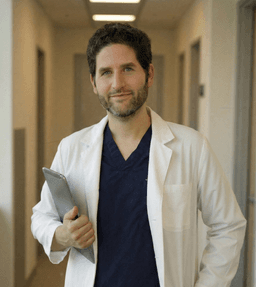
M.D., Dermatologic Surgery & Mohs Specialist, ACMS Fellow
Dr. Yehonatan Kaplan is a dermatology specialist with a US-trained fellowship in Mohs micrographic surgery and dermatologic oncology. He is a Fellow of the American College of Mohs Surgery (ACMS) and a member of the ASDS, with experience in over 3,000 Mohs procedures.
Medically reviewed on April 22, 2026
Related Articles
Actinic Keratosis Treatment: From Cryotherapy to Surgery - What to Expect
A practical guide to every actinic keratosis treatment option, including what each procedure feels like, recovery timelines, and how your dermatologist decides which approach is right for you.
Read More →Skin CancerThe ABCDEs of Melanoma Detection
Learn the warning signs of melanoma and when to see a dermatologist for a skin check.
Read More →Skin CancerTreating Recurrent Skin Cancer: What You Need to Know
When skin cancer returns after treatment, it requires a different approach. Learn why recurrence happens, how Mohs surgery offers the best outcomes for recurrent tumors, and what follow-up protocols can protect you.
Read More →